A Québec summer can be measured in kilometres travelled and stages set up by lakes, along the St. Lawrence as it widens toward the sea, or in villages suddenly taken over by music. Beyond the major headliners that draw the crowds, festivals are also places of discovery and firsts, from a new audience to win over to a chance encounter that can alter the course of a young career. From Lac-Mégantic to Baie-Saint-Paul, by way of Tadoussac, Carleton-sur-Mer and Chicoutimi, we spent the summer paying attention to artists just beginning to carve out a place for themselves. Five festivals, five very different musical worlds, and five rising artists united by the same ambition: to build a life around music.
At a time when discoverability has become one of our industry’s biggest challenges, festivals are playing an increasingly vital role as connectors. They give emerging artists a stage, bring them into contact with industry professionals, and allow music to move beyond digital platforms and come alive in front of real audiences.
Here are five artists we crossed paths with on the road in Québec this summer, and five festivals that, each in their own way, gave them room to grow.
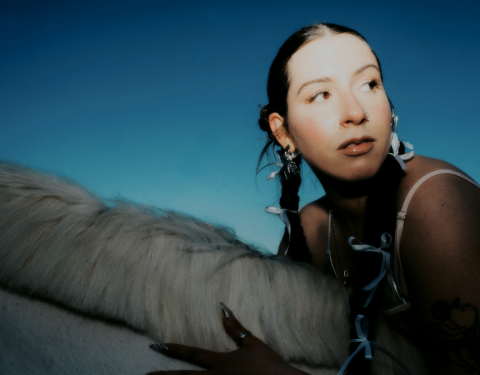
Anyma Ora’
(Festival de la chanson de Tadoussac)
Anyma Ora’ hadn’t been back to Tadoussac since she was a child. For her return to the Côte-Nord village, the Wendake-born singer was greeted by the chilly fjord air and rain—conditions that did little to dampen the spirits of the Tadoussac crowd, known for its warm welcome. “Everyone had told me it would be amazing. It was so cold and rainy, but the festivalgoers in Tadoussac don’t mind a little adversity,” she says with a laugh.
Founded in 1984, the Festival de la chanson de Tadoussac has built its identity around that close connection between artists and audiences. The festival takes over the village with often intimate performances, while making plenty of room for discovery and emerging talent.
Anyma Ora’s live show moves from contemplation to catharsis, mirroring a wide-ranging sound shaped as much by her Wendat heritage as by pop and electronic music. Some of her songs grew out of the losses that have marked her life, including the death of her father. “People can experience those emotions with me,” she says. She hopes they can come to terms together with the cycle of life and death. Then the show shifts gears: electronic rhythms take over and invite the crowd to dance with her. “We free ourselves through movement,” she adds.
That impulse to carry culture and memory forward runs deep in her work. When the weather cooperates, she even invites the audience to breathe together—a moment to reflect on the “privilege of breathing,” but also to acknowledge the millennia-long presence of First Nations on these lands.
Nominated for Radio-Canada’s Révélations and with a sophomore album due this fall, Anyma Ora’ makes no secret of her desire to take things further and make a living from her music. But she refuses to measure success in terms of fame alone. “I don’t care who I’m singing for—50 people or five million—as long as I get to do it for the rest of my life…” she says.
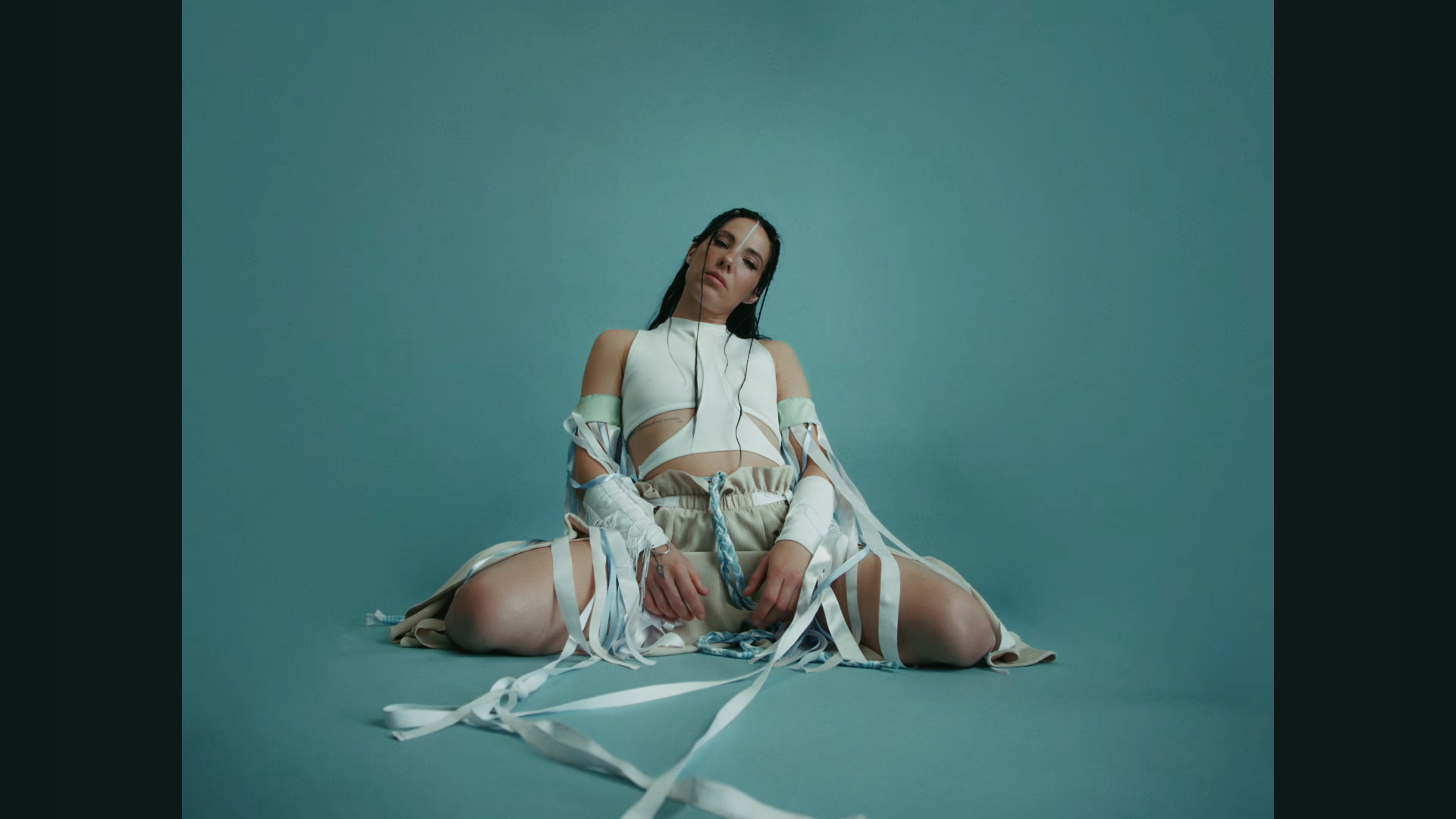
“FISH” by Anyma Ora’. Click to watch the full video.
Fine Food Market
(Festival BleuBleu)
On the shores Carleton-sur-Mer, in Gaspésie’s Chaleur Bay, Sophie Perras is counting her blessings. After three days of rain and high winds forced BleuBleu to reschedule several shows, the sun returned just in time for Fine Food Market to play at Cabane-à-Eudore. “Right by the sea, in this little cabin… I feel really lucky,” says the Montréal musician.
That kind of encounter is exactly what BleuBleu is all about. For its eighth edition, the festival brought together nearly 30 acts spanning folk, electronic music, hip-hop, chanson and experimental sounds. More than anything, it scattered them throughout Carleton-sur-Mer, turning the town into a playground for musical discovery.
Fine Food Market is perfectly at home in such an eclectic lineup. Blending country-folk and dream pop, Sophie Perras’s project is driven largely by instinct. She prefers to keep the first version of a song rather than polish it endlessly. “Whenever I go back and rework a song later, it somehow feels less good. I like leaving it alone. Otherwise, it gets too rational.”
Most of the time, a song starts with her at the piano, working from the lyrics, before bringing the material to her band, who helps flesh the songs out. Getting to bring those songs to life on stages like BleuBleu’s is especially rewarding at a time when streaming revenues make it increasingly difficult for emerging artists to earn a living, she says.
Her ambition is as simple as it is vast: “I’d love to be able to make a living from music without having to constantly worry in the back of my mind. I’d love to feel less stressed about how I’m going to pay the bills,” she says. At BleuBleu, that dream briefly takes its ideal form: making music with friends in front of an attentive audience in an idyllic setting. It’s a brief reminder of why she chose this life in the first place—something the precarity of an artistic career can sometimes obscure.
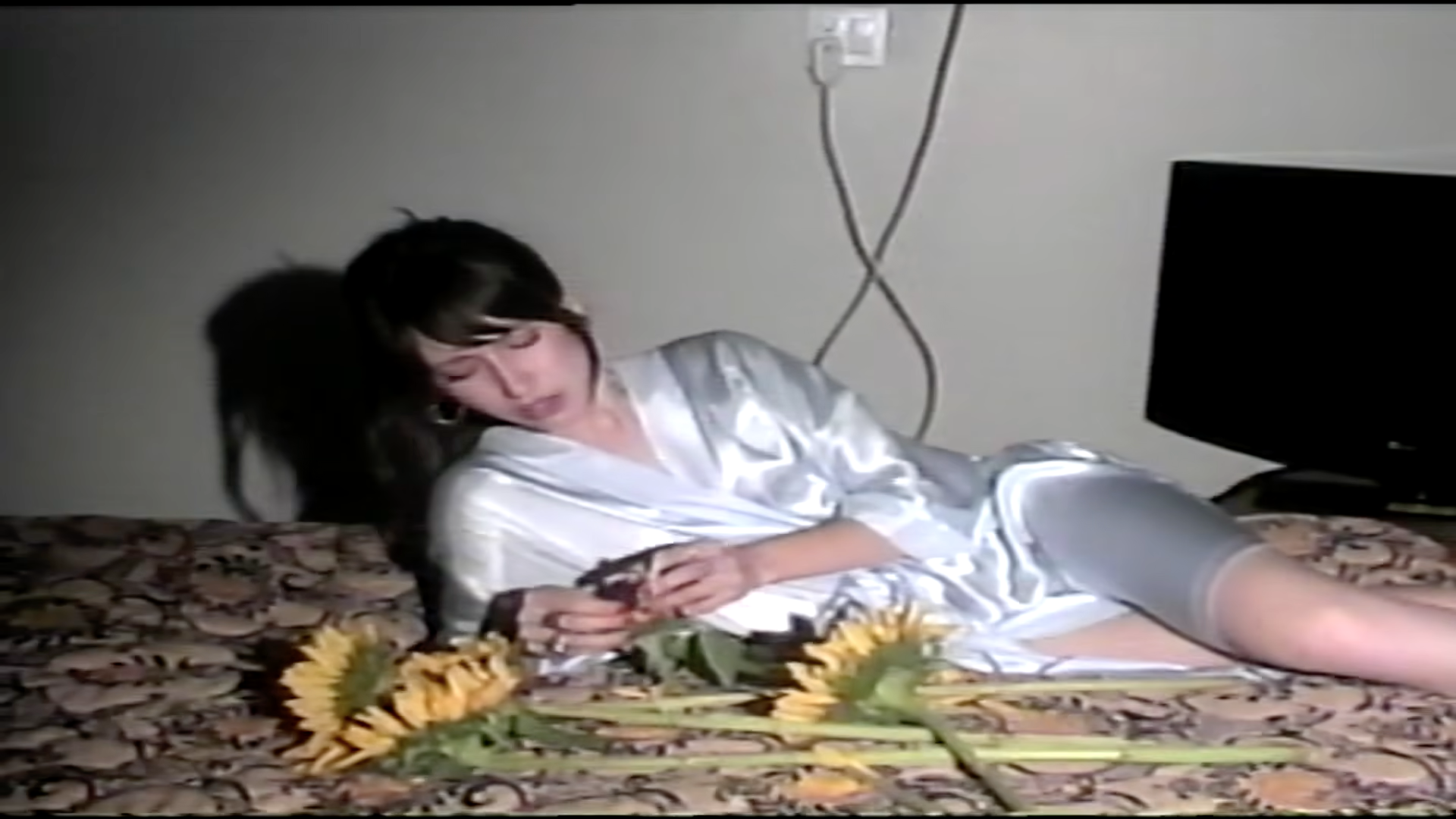
“Stranger” by Fine Food Market. Click to watch the full video.
Mitaine
(La Noce)
Before performing at Chicoutimi’s La Noce, Alexandre Bergeron first experienced the festival as a punter. The artist behind Mitaine remembers the 2022 edition in particular, when he was studying in Alma and doing a deep dive into Québec music. Among the acts he saw was Gros Mené, a major influence on his own work. It was also the first time a live show ever moved him to tears.
Four years later, his name was featured on the festival’s lineup—a particularly meaningful moment for the Normandin, Lac-Saint-Jean native. “I’m really proud of what’s happening in my region and to have been part of the festival. It’s unreal,” he says. In his eyes, La Noce holds a special place in Saguenay–Lac-Saint-Jean thanks to a lineup that isn’t afraid to spotlight emerging artists and more adventurous sounds.
For Mitaine, the invitation came at a pivotal moment. Over the past year, Alexandre Bergeron has fully committed to a career in music. “This is the year I decided this is what I’m going to do with my life. I have no intention of turning back,” he says.
His sound moves between chanson and alternative rock, pairing candid lyrics with guitars that sometimes veer abrasive. Movement is a big part of his creative process: travelling between Montréal, where he now lives, and his home region helps him sort through his ideas. “If I stay in one place all the time, I get lethargic,” he says. “I need to keep moving.”
Turns out La Noce is giving him exactly the kind of momentum he needs. When he asked how many people were seeing him live for the first time, nearly every hand in the crowd went up. And with more than 150 industry professionals from several countries attending the festival, that kind of exposure could prove pivotal.
This fall, Mitaine will be putting the finishing touches on his debut album and looking to build a team that can help take the project to the next level. In the long run, his dream would be to come back to where it all began: making a living from music, moving back to the region and opening a small studio of his own. Making records with friends and, perhaps, one day contributing to the same musical energy that La Noce showed him can thrive there.
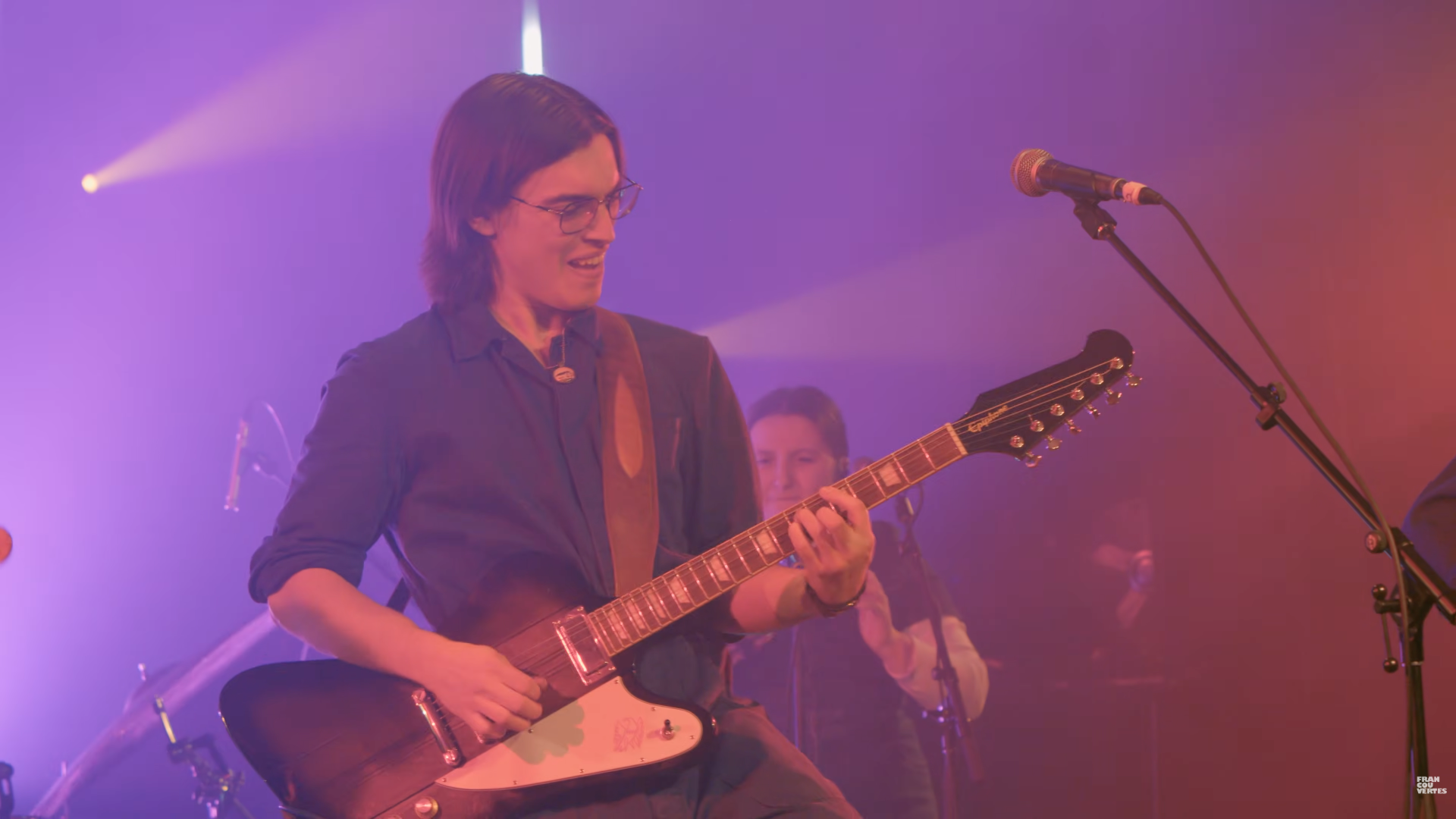
“Béluga” by Mitaine. Click to watch the full video.
Thee Soreheads
(Le Festif de Baie-Saint-Paul)
For Thee Soreheads, playing Le Festif! de Baie-Saint-Paul felt like a dream come true. The Montréal punk band already knows the town well after its appearance at the Cabaret Festif!, where it won the People’s Choice Award, helped open the door to the festival and gave the project a serious boost.
“Everything changed for us after the Cabaret Festif! We started getting a lot of offers,” the band recalls. A few months later, Thee Soreheads found themselves among some 120 artists on a lineup that spread music across 35 locations throughout Baie-Saint-Paul, from traditional stages to streets, local businesses and some of the town’s most unexpected spaces.
What stood out most to the four members of Thee Soreheads was the audience’s openness. At a festival where genres and languages freely intermingle, the band found an attentive crowd for its garage punk sound shaped by surf rock, riot grrrl and straight-ahead rock. “English, French, Japanese—it doesn’t really matter. Good music is what matters,” the band members say.
Singer Maria Jimenez sums up the band’s sound: “A lot of anger, and even rage, but also a lot of fun.” Beneath the chaotic energy, Thee Soreheads tackle issues including the violence experienced by women and marginalized people. Sometimes the lyrics are autobiographical, while others draw on the experiences of women they know who work in bars and in the cultural industry at large. The goal, though, isn’t to leave listeners sitting with that anger, but to turn it into reflection and catharsis.
Le Festif! is more than just another experience on the young band’s résumé. It gives them a chance to bring their songs to people who might never have come across them otherwise. Even though most of their lyrics are in English or Spanish, the Baie-Saint-Paul crowd embraced them. “If even one person is affected after the show, that’s perfect for me. That’s my dream,” Maria says.
A human-scale approach that feels right at home at a festival that, despite drawing 53,000 revellers, still sees connection as the heart of what it does.
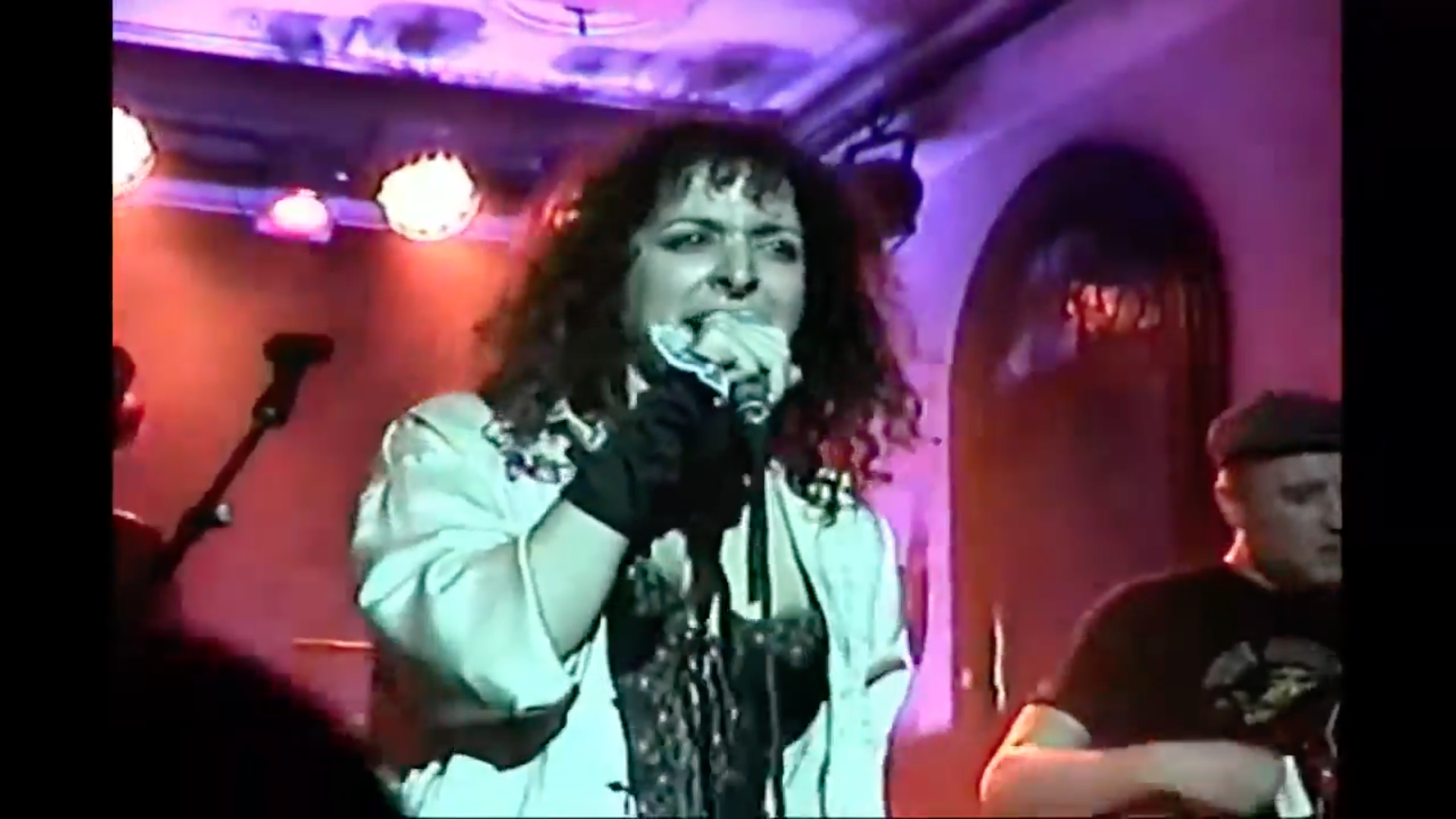
“Ratlike” by Thee Soreheads. Click to watch the full video.
William Papillon
(Festival Colline)
After keeping a lower profile for the past couple of years, William Papillon found something in Lac-Mégantic that he’d been missing: a real human connection with an audience, far removed from the algorithms that now shape so much of his life as a musician.
It was his first time at Colline—and in Lac-Mégantic, for that matter. What stayed with him most was the mix of generations and that sense of communion through music: “Old people, young people, cool people, not-so-cool people—everyone gets into it. Everyone has a great time,” he says with a laugh.
That desire for connection is central to his project, which emerged after several years on the rap scene under the name Willygram. The death of his father, broadcaster Jean Pagé, followed by the pandemic, changed him profoundly. His former artistic identity simply no longer reflected the person he had become. With William Papillon came a more melodic vocal approach and a sound that brings together R&B, electro-pop and vulnerability. “I try not to overthink it. I want to have my own sound and identity, but I still want it to be accessible. Not too simplistic, but I want it to resonate somewhere—I want my music to make someone feel something,” he says.
Colline gave him a place to see whether that connection would resonate. The Lac-Mégantic festival pairs major headliners with lesser-known artists, who perform in venues across town and even out in nature. For William Papillon, stages like these are essential in an industry he finds particularly tough: “There are so many hidden gems out there that we would never find otherwise. Some artists really deserve to be better known.” The Montréal artist is now preparing an EP featuring two unreleased tracks that audiences at Colline have already heard. “That’s the payoff for me—making people feel something,” he says.

“Invisible” by William Papillon. Click to watch the full video.